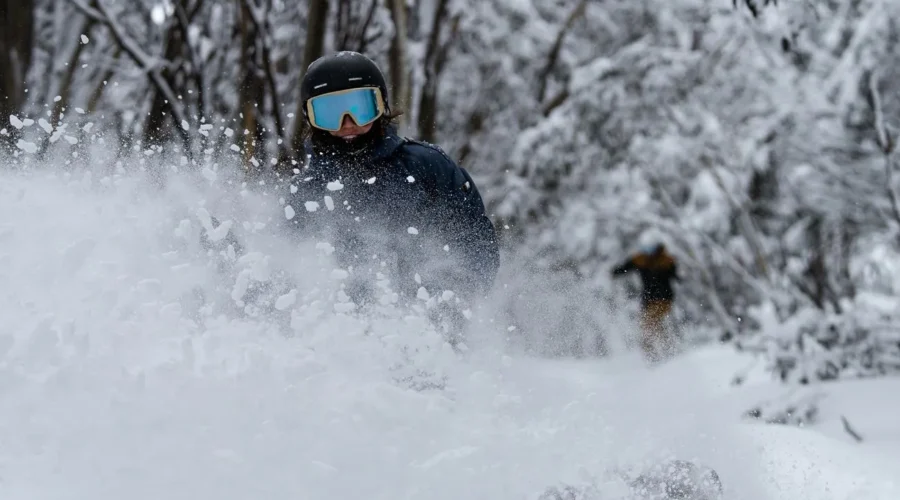
How Do You Physically Prepare for a Ski Trip?
So you’ve booked that snow day trip from Melbourne, snagged your lift tickets, and you’re picturing powder turns and après-ski toasts. But hang on a sec – before you start dreaming of hot chocolates and chairlifts, let’s chat about what really makes a skiing holiday smooth: physical prep.
I’m not talking about Olympic-level training or scaling mountain peaks in July. I mean the practical, down-to-earth kind of pre-ski exercise that gets your body ready for actual skiing, especially if your usual physical activity consists of lifting the remote or walking to the servo.
As someone who’s face-planted down Mt Buller’s blue runs more times than I’d like to admit (and once turned up to Falls Creek without thermals), I’ve learned the hard way what happens when you rock up unprepared. Spoiler: sore legs, dodgy knees, and a lot of moaning over dinner.
Here’s how you can avoid ski injuries and prep your body properly for ski season – whether you’re heading to Thredbo, Hotham, or the mighty Perisher. While you’re in the area, why not add a snow trip to Mount Buffalo or a scenic stop in Bright or Omeo? They’re well worth the detour.
Contents
Get Your Ski Legs Before You Hit the Slopes
1. Strengthen the Muscles You’ll Actually Use
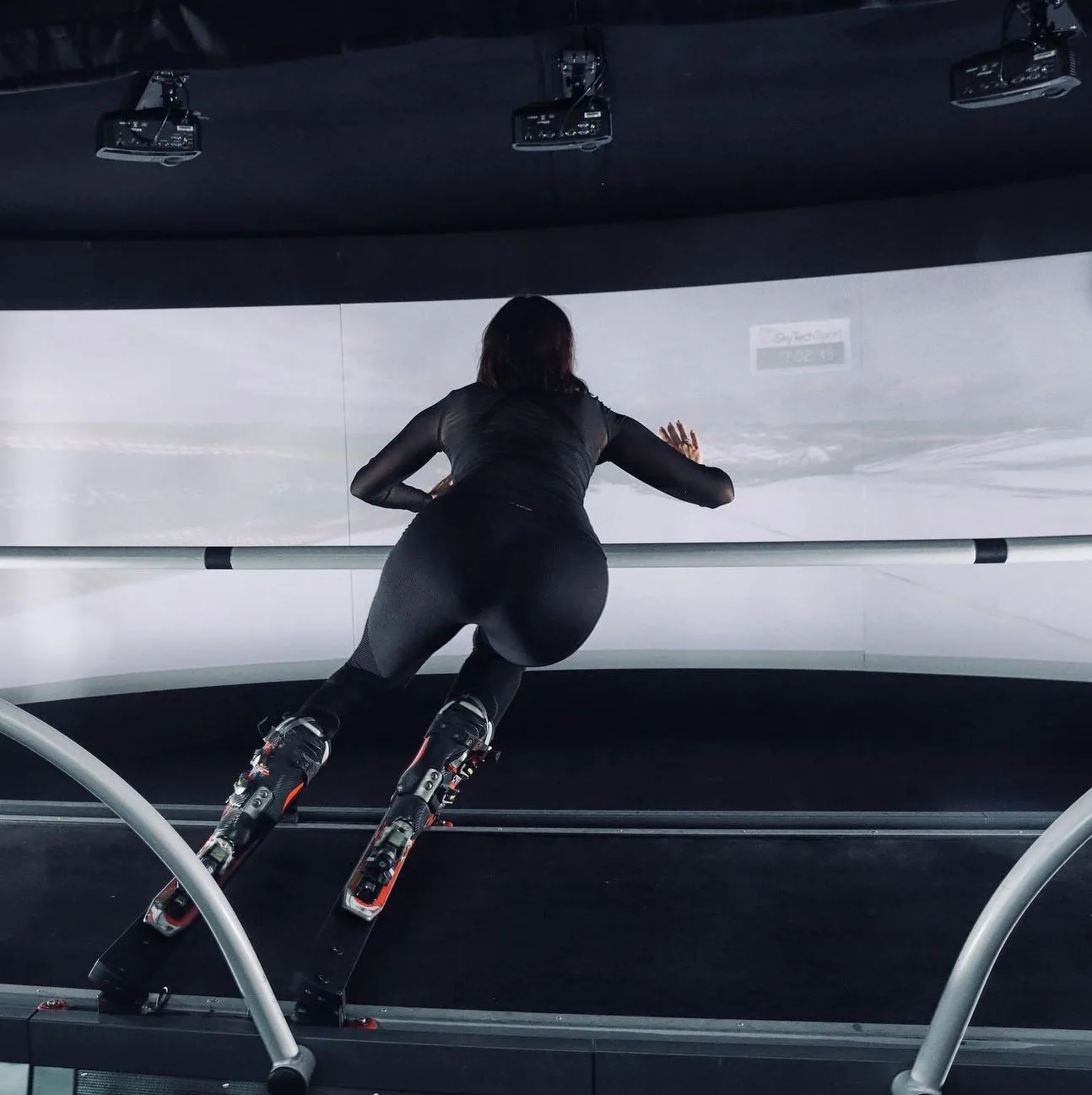
Skiing (and boarding) isn’t a full-body free-for-all. The movements are pretty specific: knees bent, core tight, thighs burning like you’ve just sprinted up a hill with a backpack full of wet socks.
Focus on:
- Quads & Hamstrings – think squats, lunges (especially in a lunge position), and wall sits. Holding a standard squat for 30+ seconds mimics the skiing posture.
- Glute muscles – bridges and step exercises like step-ups are your mates.
- Core strength – planks, abdominal exercise like Russian twists, and mountain climbers build that all-important balance and strong core.
- Upper body & arm muscles – arm exercises help with ski poles and overall control.
- Lower Back – don’t ignore it. A strong lower back helps stabilise your stance and prevents fatigue.
Tip: Start your fitness routine at least 4 weeks before your trip. Even just 20 minutes a day, a couple of times per week, can build endurance levels and help avoid the risk of injury.
Wildlife Tours often runs multi-day packages that hit several of these alpine spots. Trust me, you’ll want the fitness to keep up!
2. Build Your Cardio Base
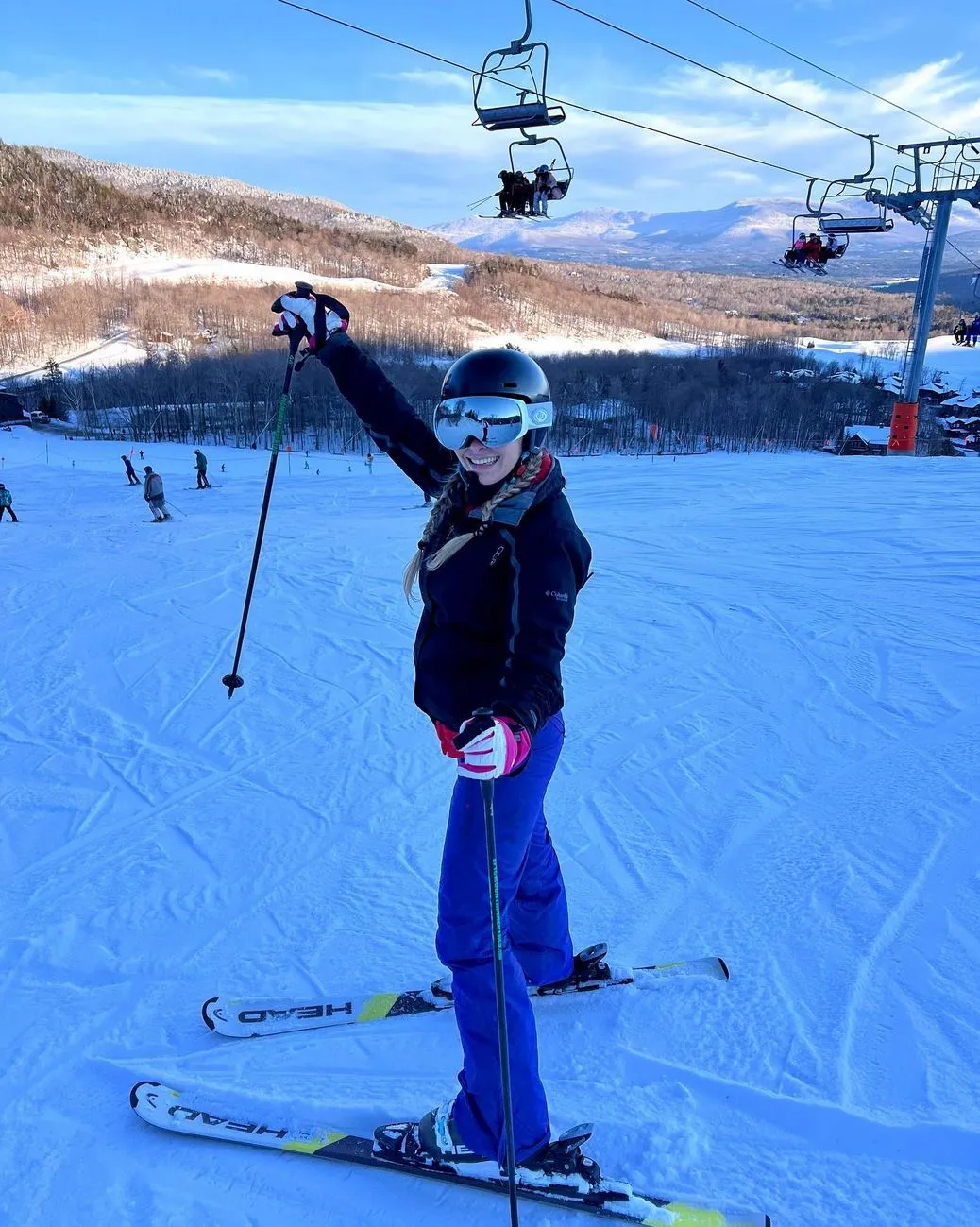
Ever tried walking uphill in ski boots at an altitude resort? It’s rough as guts.
Cardiovascular endurance helps with recovery and stamina on the mountain. You don’t need to be a marathoner, but you should aim to:
- Go for brisk 30-40 minute walks or jogs 3 times per week
- Climb stairs instead of lifts (good simulation for bump skiing)
- Do interval or cardio exercises like HIIT if you’re short on time
Bonus if you can add trail runs to boost lung capacity and aerobic fitness.
3. Improve Flexibility and Mobility
Stiff joints + slippery terrain = yard sale.
Skiing demands fluid movement and quick reflexes. Stretch regularly to improve mobility:
- Hip openers (e.g. pigeon pose)
- Hamstring stretches and leg swings
- Ankle and calf mobility drills
- Use a foam roller to ease tight muscle groups
Yoga or pilates once or twice a week helps loosen up your body for skiing and boosts functional fitness.
/Practice Like It’s Snowing
4. Try Ski-Specific Drills at Home
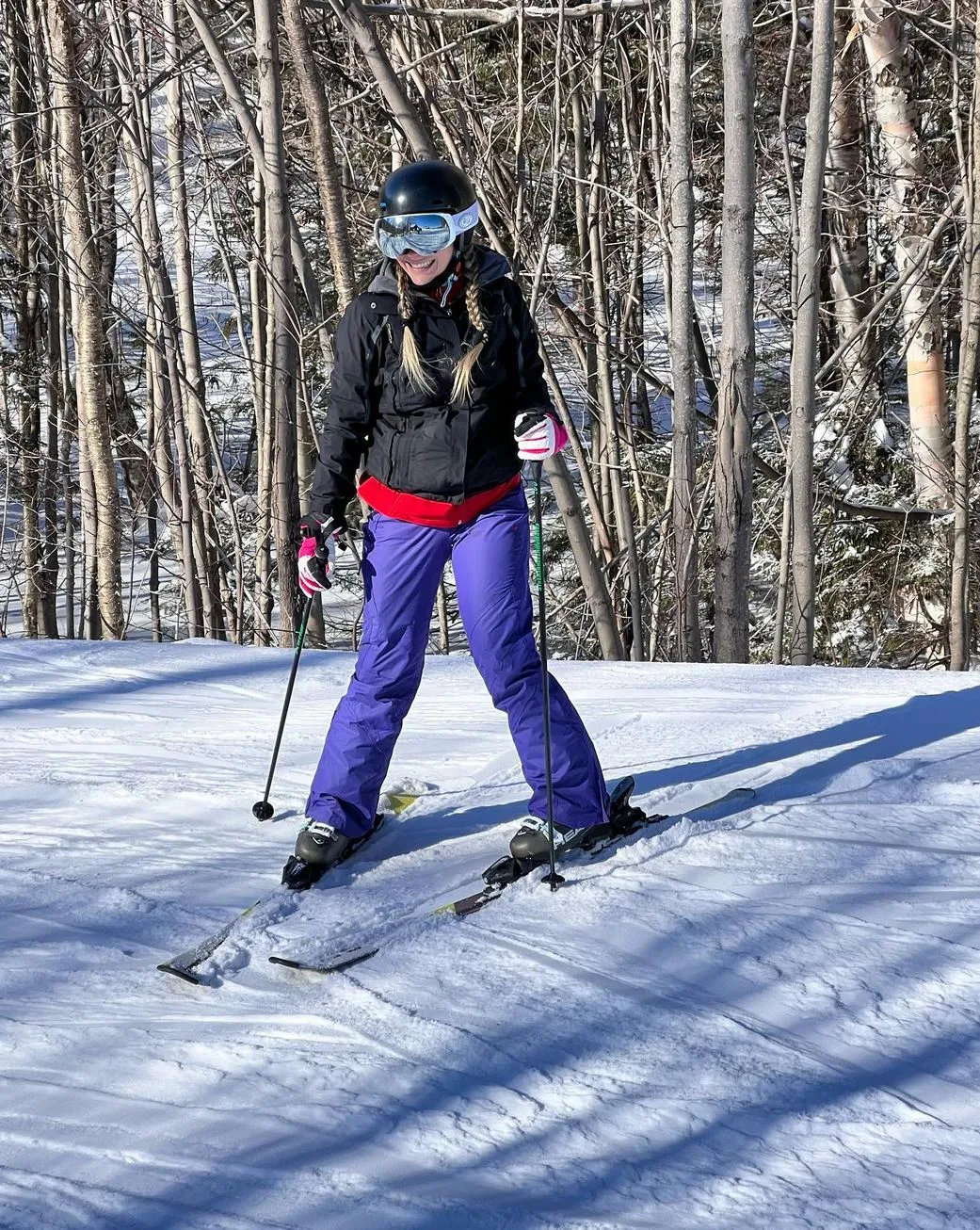
Can’t make it to the slopes yet? No worries. You can replicate ski movements at home:
- Balance drills – stand on one leg (left foot then right), progress to a BOSU ball if you’re fancy
- Lateral jumps – mimic ski turns
- Jump squats – build explosive strength for intense activity like advanced skiers need
These get your ski muscles fired up, whether you’re a beginner skier or training for more active skiing.
5. Break in Your Ski Boots (and Your Body)
If you’ve got new gear, try it on before the trip. Walk around the house. Get used to that day of skiing posture.
Also good to:
- Practice wearing layers
- Move in gloves/goggles
- Use poles to mimic activity in skiing
It all helps with ski fitness, especially if you’re at a lower level of fitness in your day to day life.
Wildlife Tours also offers beginner-friendly snow day trips where having your gear prepped can make or break the day. It’s a solid way to test your setup before a bigger snow day trip Melbourne.
Fuel, Hydrate, and Sleep Like You Mean It
6. Eat for Energy (Not Just the Chalet Snacks)
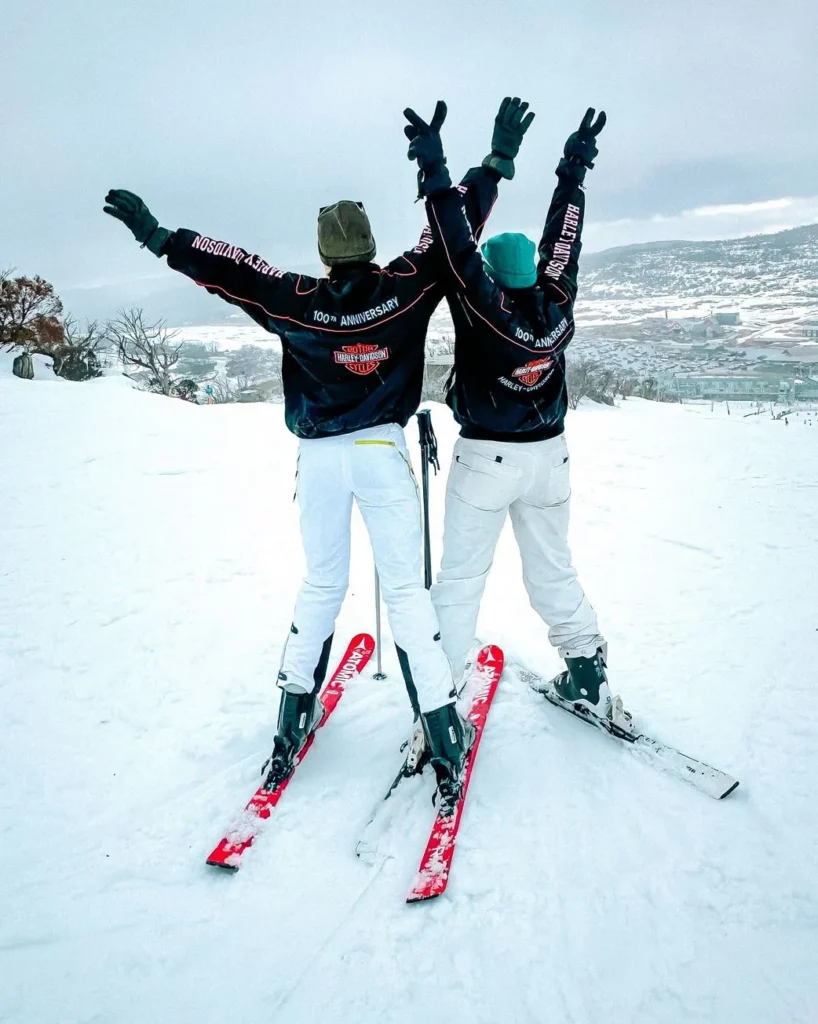
The cold and altitude = more energy burnt during a skiing adventure.
- Prioritise a balanced diet with complex carbs, lean protein, and good fats
- Eat regularly and avoid skipping meals
- Fuel up before any day of skiing to avoid running out of gas halfway down a run
7. Hydration Can Make or Break Your Trip
Cold weather tricks you into drinking less. Bad move.
- Sip water all day
- Limit caffeine before skiing
- Avoid alcohol during skiing hours
Hydration supports aerobic exercise and helps maintain coordination, endurance, and alertness.
8. Don’t Skimp on Sleep
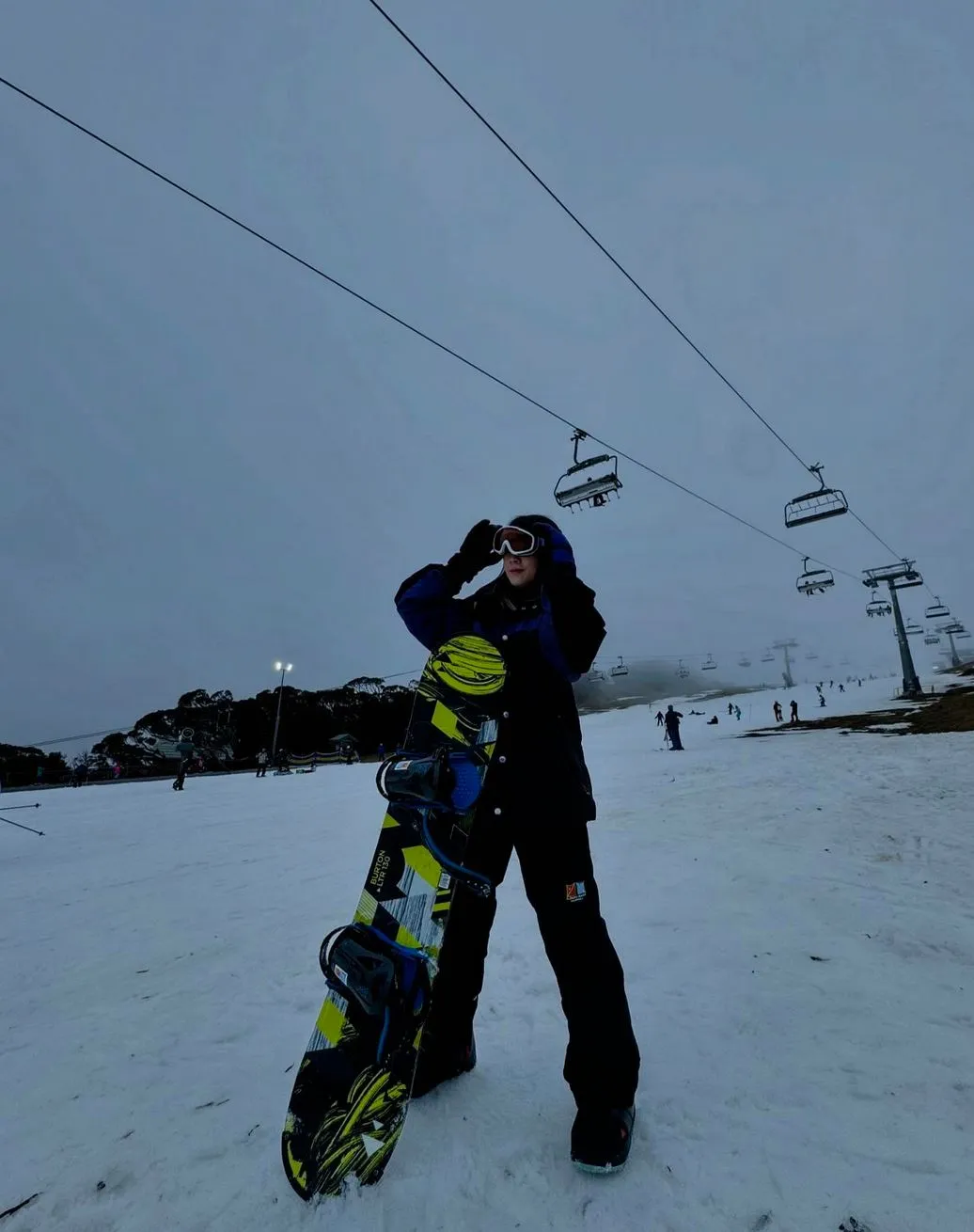
Recovery matters. Your body for skiing needs those rest days too.
- Sleep 7-9 hours
- Let your muscles rebuild after a series of exercises
- Wind down properly each night
Sleep builds anaerobic fitness, boosts repair, and sets you up for more precious time on the slopes.
Gear Up Without Falling Into the Trap
9. Pack Smart, Pack Light(ish)
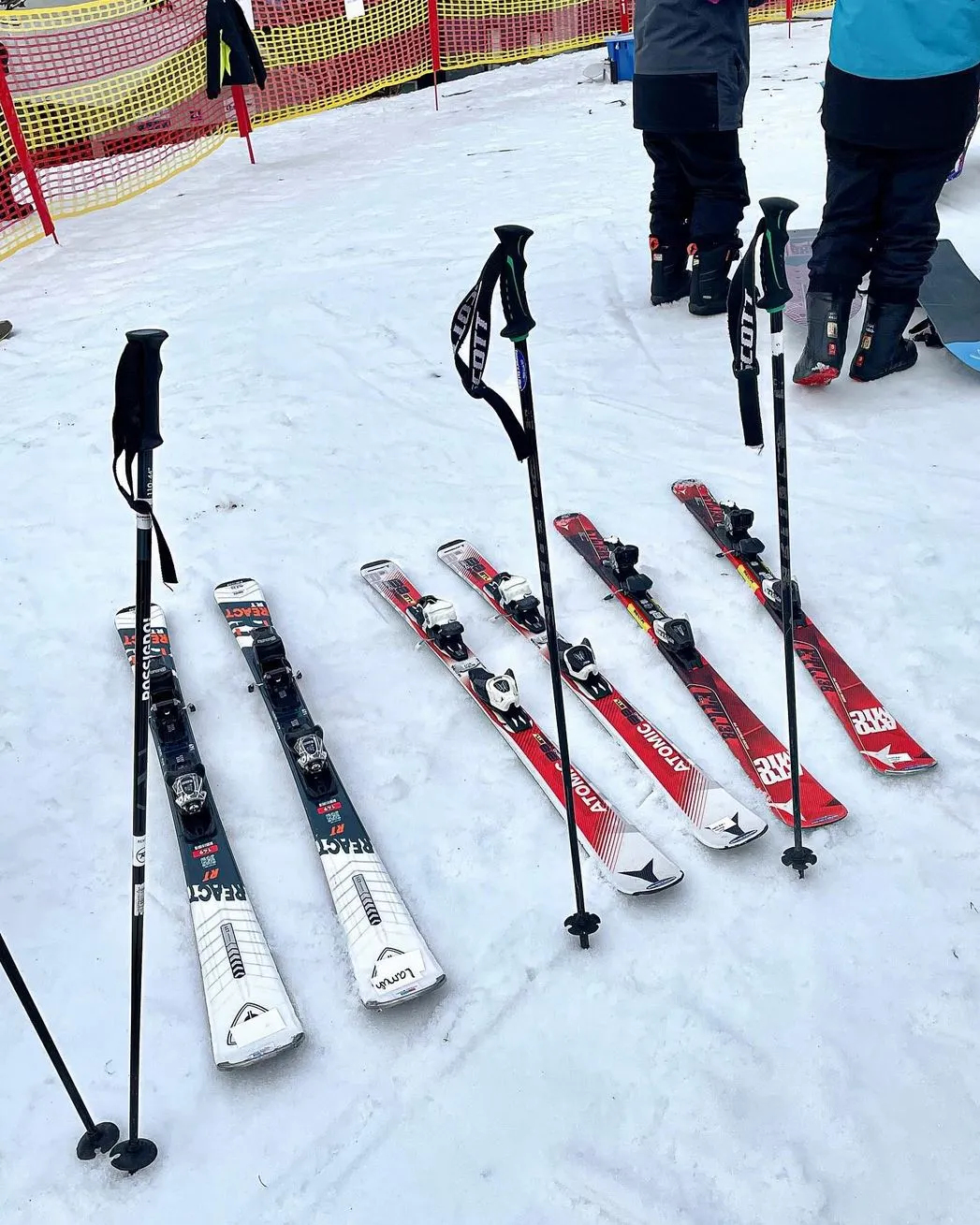
You don’t need 18 jumpers. What you do need:
- Waterproof outer layer
- Merino base layers
- Gloves, goggles, beanie
- Ski socks
- Sunscreen + lip balm
And don’t forget your foam roller for tight muscle release after a long ski day.
10. Pre-Book Your Gear and Lift Tickets
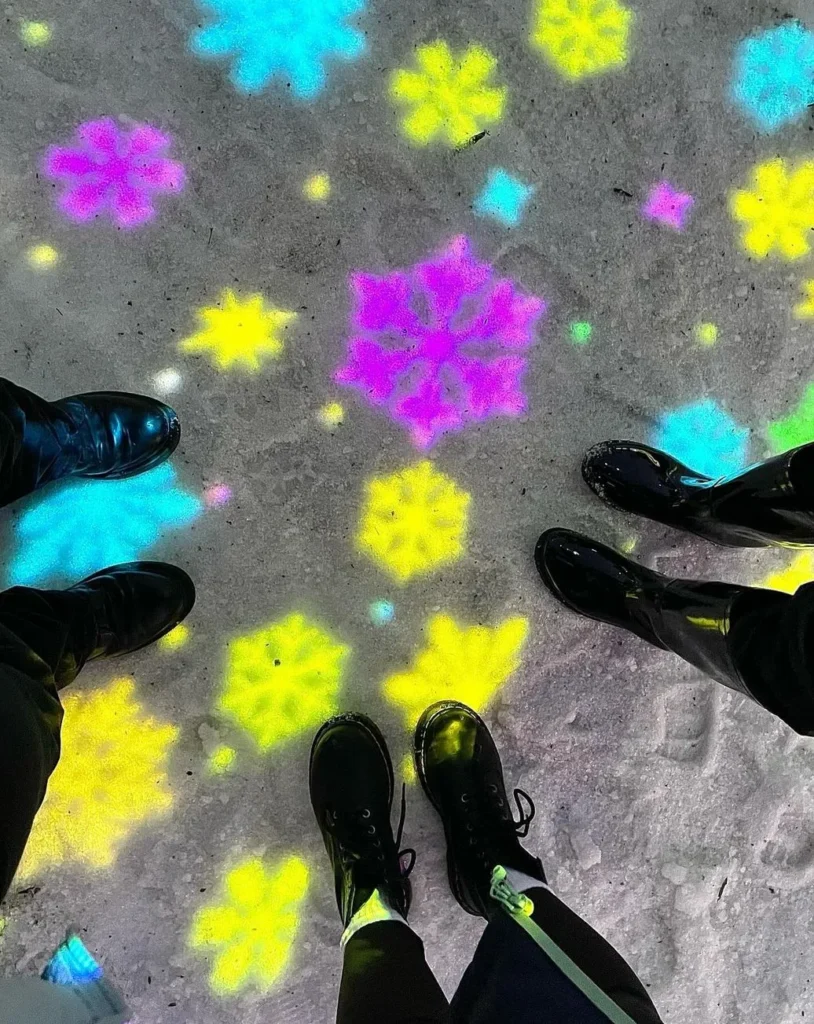
Avoid wasting precious time on hiring queues. Pre-book everything:
- Skis/snowboards
- Boots
- Lift passes
You’ll get more action for weeks’ worth of planning and enjoy your snow conditions stress-free.
Many tour options, like those with Wildlife Tours, even bundle this stuff so you can focus on fun instead of logistics. It’s the easiest way to make your day trip snow Melbourne seamless from start to finish.
Final Thoughts from the Trailhead
Whether you’re an adult beginner or an altitude-loving powderhound, prepping for a ski holiday helps make every second count. Ski fitness isn’t just for elite athletes – it’s about avoiding injury, enjoying more runs, and making the most of your snow holidays.
Give your body the training it deserves. From arm muscles to glutes, cardio fitness to balance drills, it’s all about getting into ski shape. That way, your winter season isn’t spent nursing sore knees or sitting out on the lodge deck.
Got a trick I missed? Hit me up. I love a good foam roller story or glute activation tip.
And if you’re looking to make the most of your skiing holiday from Melbourne, get in touch. I’ll point you to the slopes, the snacks, and the sneaky chairlift with no line. Or maybe even plan your day trip to snow around one of the quieter alpine weekends – it makes all the difference.
FAQ
How far in advance should I start training for a ski trip?
Start pre-ski exercise at least 4 weeks out. Adjust based on your level of skier or fitness.
Do I need a gym for ski fitness?
Nope. Home-based forms of exercise like leg exercises, core work, and balance drills work well.
Is cardio or strength more important for skiing?
Both are vital. Cardio fitness aids endurance; leg strength and core muscles give you control.
Can yoga or pilates help?
Yes. Great for balance, flexibility, and tight muscle relief.
What should I eat before skiing?
A carb-rich, protein-filled brekkie (like eggs on wholegrain toast) sets you up for active skiing.